To most, the desert represents emptiness. Sky Kurtz saw it as a land of opportunities. His startup, Pure Harvest Smart Farms, is revolutionising hydroponic farming, enabling high-quality fresh fruits, vegetables and leafy greens to grow in the harshest of landscapes. That is, the UAE's sand dunes.
"A lot of people thought I had lost it," says Kurtz, CEO of Pure Harvest. "'You're going to grow tomatoes in the deserts of the Emirates?'"
But the UAE is proving to be the ideal environment to build visionary businesses like his – ventures that could redefine the future of food systems.
"The UAE offered the perfect combination of a challenging climate, a thriving start-up environment and a government committed to supporting innovation, making it the ideal location for us," - Sky Kurtz, CEO, Pure Harvest.
From Dubai's Foodtech Valley – one of the world's first dedicated agritech cities – to Abu Dhabi's Hub71, a government-backed tech ecosystem driving investments in agriculture, food safety, food security and biosecurity, the UAE is creating fertile grounds for solving some of the greatest challenges societies face.
Nourishing bold ideas
Lacking permanent rivers, lakes and other stable freshwater resources, the UAE is one of the most water-stressed countries on Earth. The demands of a growing population have only exacerbated the problem.
The annual per capita use of water in the Gulf region is more than 550 litres per day, more than twice the global average. In nations such as the UAE, as much as 80% of freshwater goes to agriculture, but the sector provides only about 20% of the UAE's food. The rest is imported.
"To solve the water security problem, you must solve food production challenges," Kurtz explains.
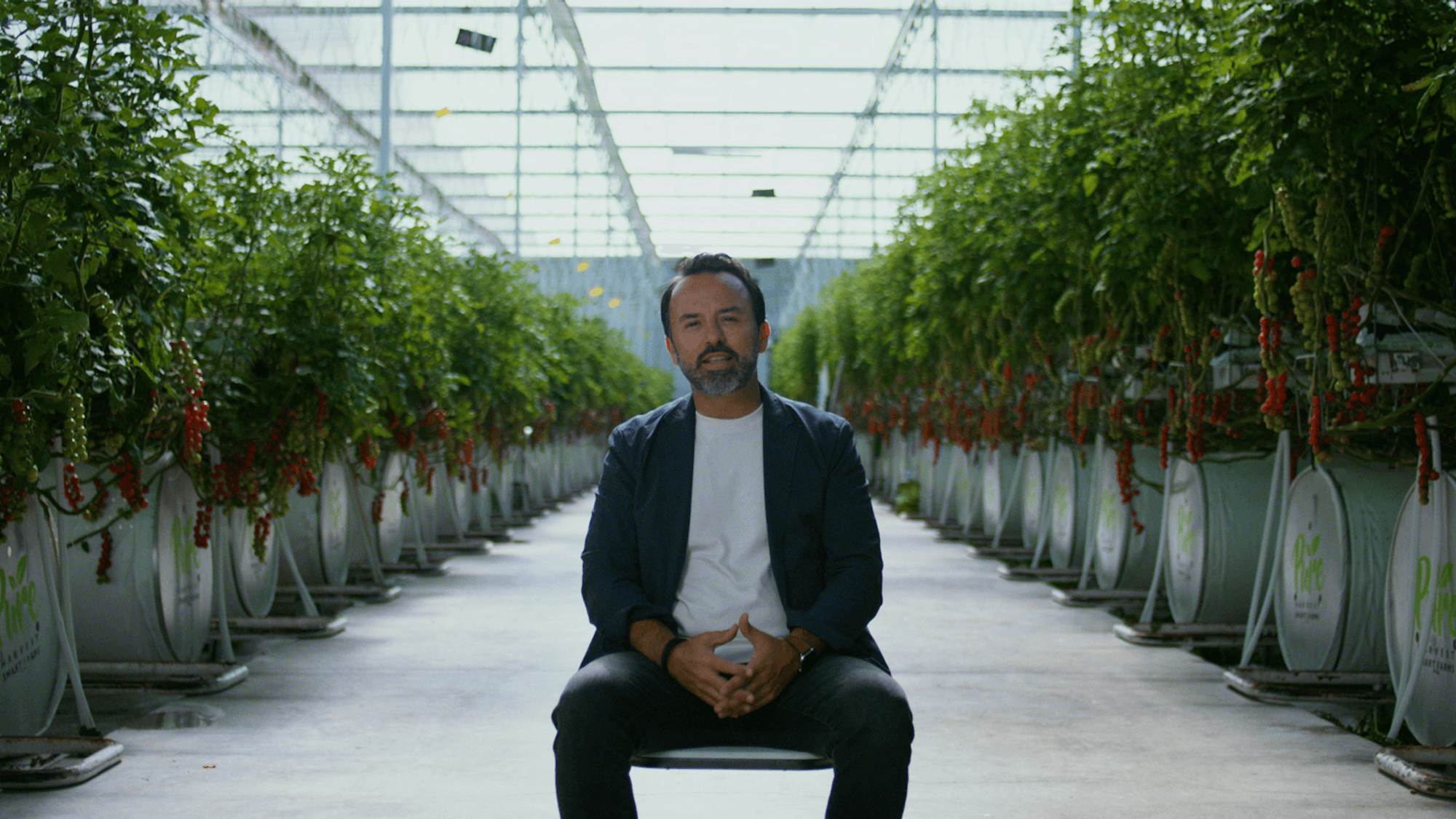
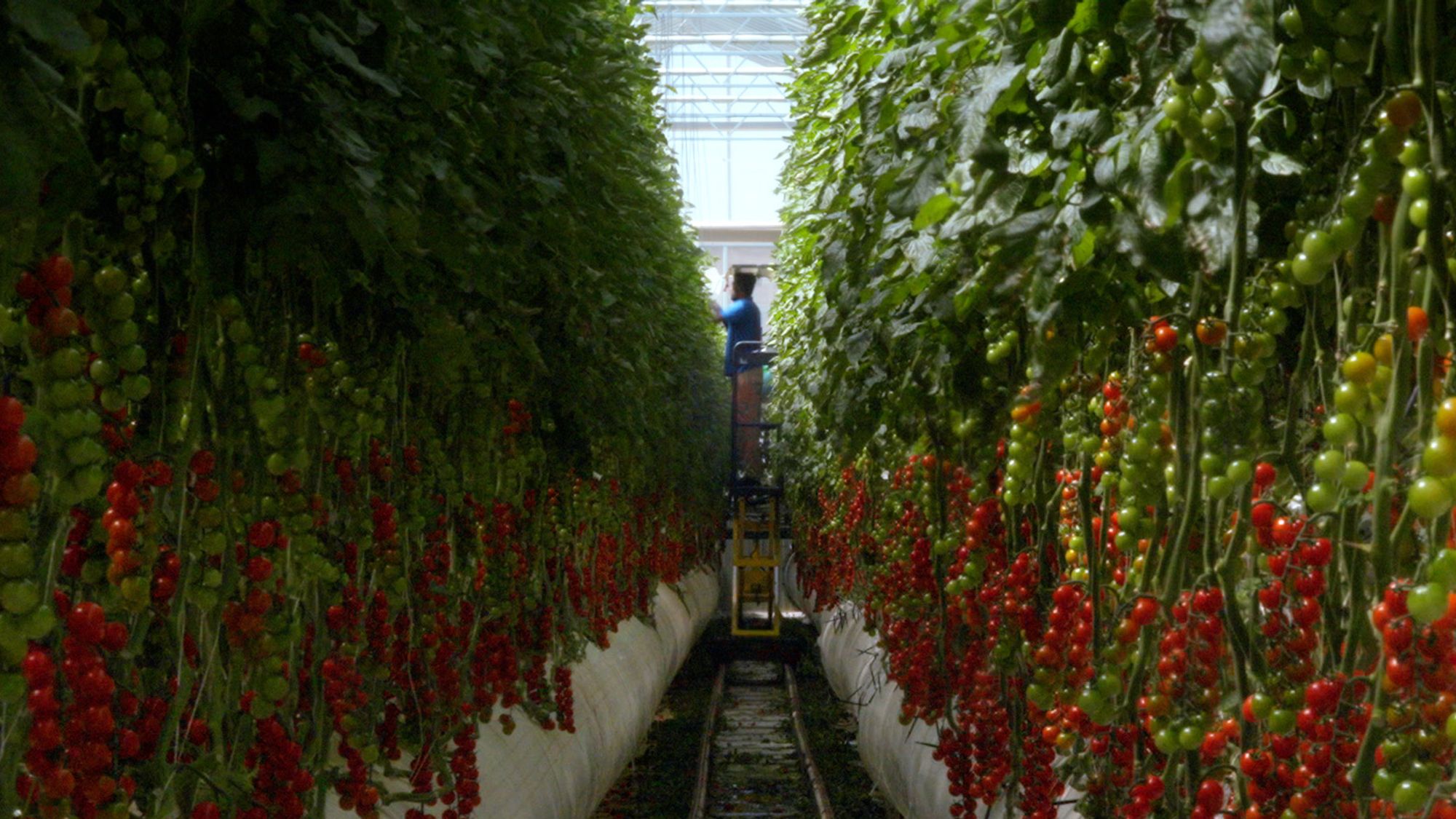
Using a proprietary high-tech system, they built a greenhouse in the desert and began growing tomatoes. An advanced climate control system maintained optimal growing conditions and recaptured condensation, allowing them to recycle excess water. Sensors and data analytics monitored everything from energy use to photosynthesis. Bumblebees pollinated crops.
They set out to prove that high-quality produce could be grown year-round even in challenging climates. They succeeded. That commercial pilot programme showed year-round production at yields comparable to The Netherlands, the world's most advanced horticulture market.
Pure Harvest now operates over 15 hectares of high-tech greenhouses in the UAE capable of providing more than 12 million kilogrammes of produce annually, including dozens of varieties of tomatoes, several types of leafy greens and several varieties of strawberries, blackberries and raspberries with more crops to come.
These products appear in retail shops and on dining plates at leading hotels and restaurants across the Gulf region. But the impact could resonate much further.
Having secured nearly $300m in funding, Pure Harvest is poised to bring its solutions to any region where climate challenges and resource scarcity threaten food security.
"For decades, the UAE has been developing as a global beacon of innovation. We've had an incredibly supportive government helping us to build this business," says Kurtz.
"Our goal now is to take the lessons we have learned here to develop and share technologies that will change the way humanity produces its food across the world."
Growing locally
At Dubai's acclaimed Spanish-Mediterranean restaurant BOCA, Patricia Roig hopes to prove that fine dining can be more than an indulgence.
Over the past decade, the restaurant has introduced several initiatives to track and help to combat waste and carbon emissions, and it published its first carbon emissions report in 2021. It has even challenged its bartenders to find creative ways to repurpose spent ingredients, such as tomato pulp, orange peel and apricot skin, in cocktails and mocktails.
When Seville-born Roig came on board in 2023, she embraced this mission, aiming to level up the authenticity of the food while also sourcing local produce in a region not known for its agriculture.
"For me, as a chef, it's non-negotiable that the food has to be good," Roig says, adding that reducing BOCA's carbon footprint is also paramount for her. But could any local producers meet the standards chefs like her demand?
Roig discovered the answer is a resounding yes.
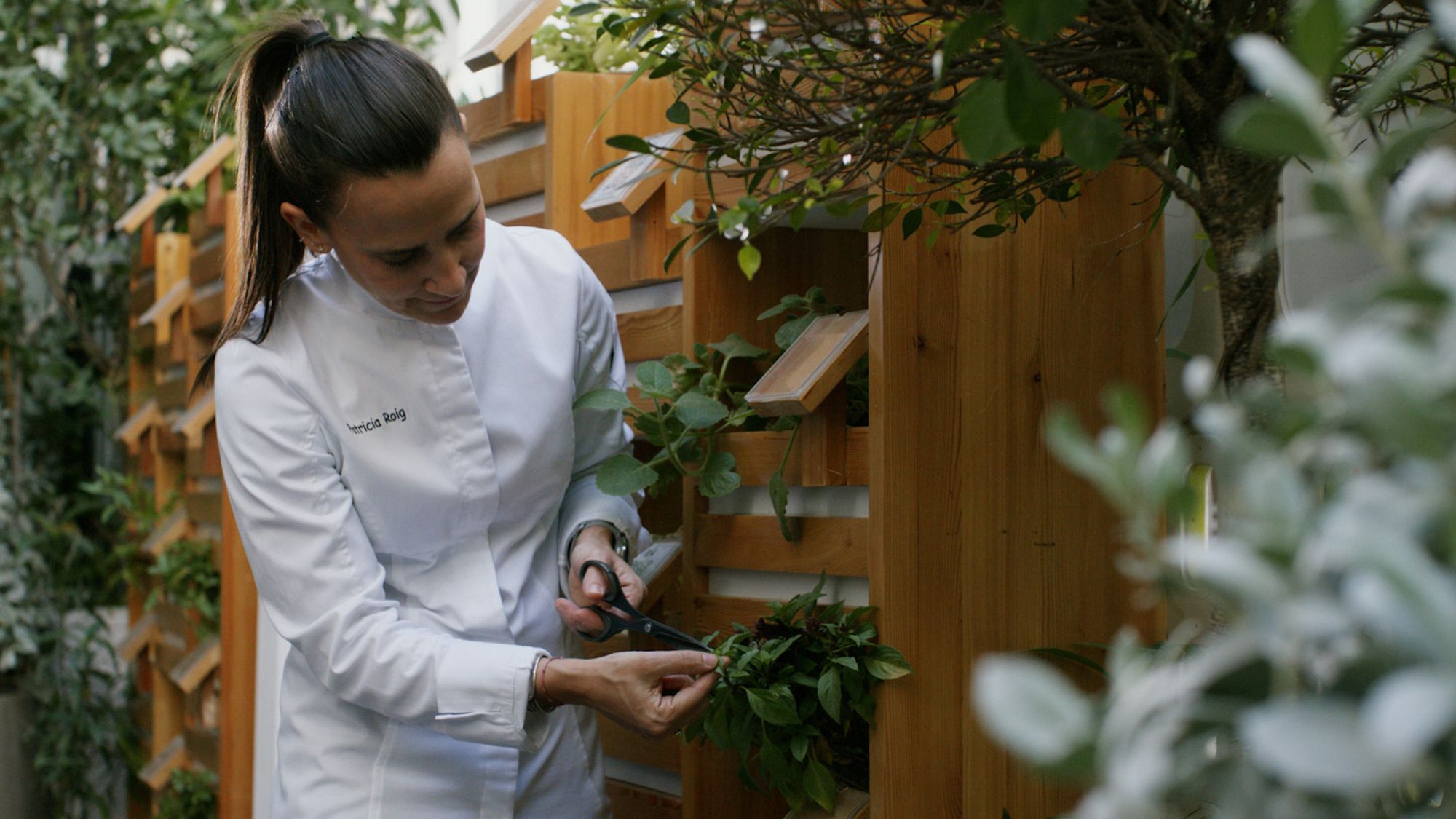
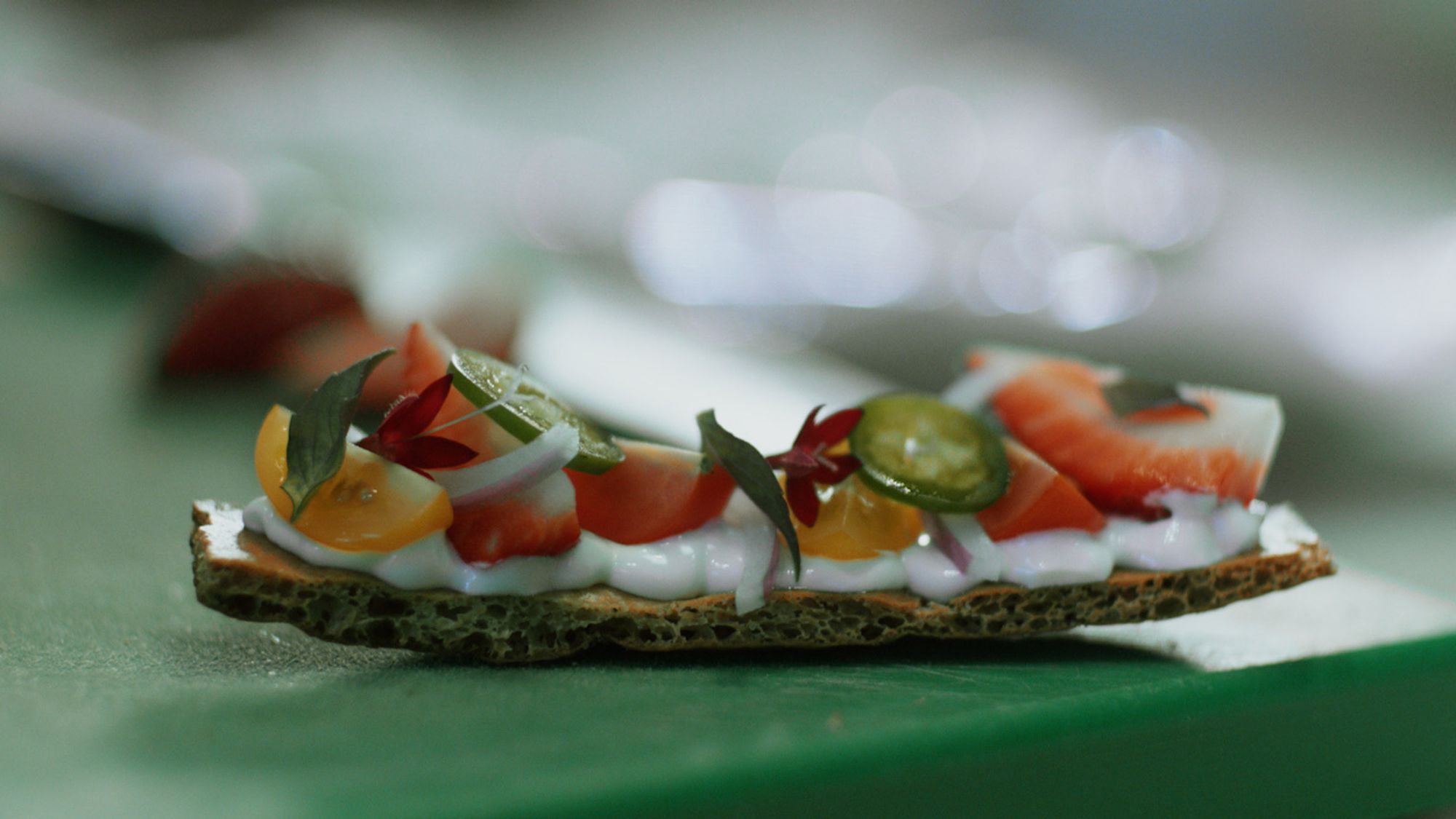
Working with local fishermen, she draws from the bounty of the Arabian Sea, highlighting Dibba Bay oysters, Gulf kingfish and scallops. She has also featured desert treasures rarely seen in fine dining restaurants, from pickled khansour (succulent) blossoms plucked in Ras al-Khaimah to halophytes, salt-tolerant plants with citrus-like notes that grow in the UAE's brackish coastlines.
Thanks to hydroponic farms like Pure Harvest, she can also secure world-class cucumbers, mushrooms, sweet potatoes, yellow potatoes and more without having to import them.
These efforts to capture the flavours of the Mediterranean without shipping in products has earned BOCA countless accolades. In 2023 and 2024, BOCA won a Michelin Green Star, an honour bestowed upon the most sustainability minded restaurants. In 2023, BOCA was also named the UAE's sustainable kitchen of the year by Gault & Millau.
This year, BOCA ranked 17 on the Middle East and North Africa's Best Restaurants list, underscoring the way that Roig has balanced exceptional quality with BOCA's sustainability ethos. While great food is imperative, "[it's important] we do as much as we can to help the planet," she says.
Feeding the future
The UAE may have lacked fertile terrain and climate conditions to produce restaurant-quality tomatoes year-round, but its rich business environment provided so much of what a startup like Pure Harvest needed to grow.
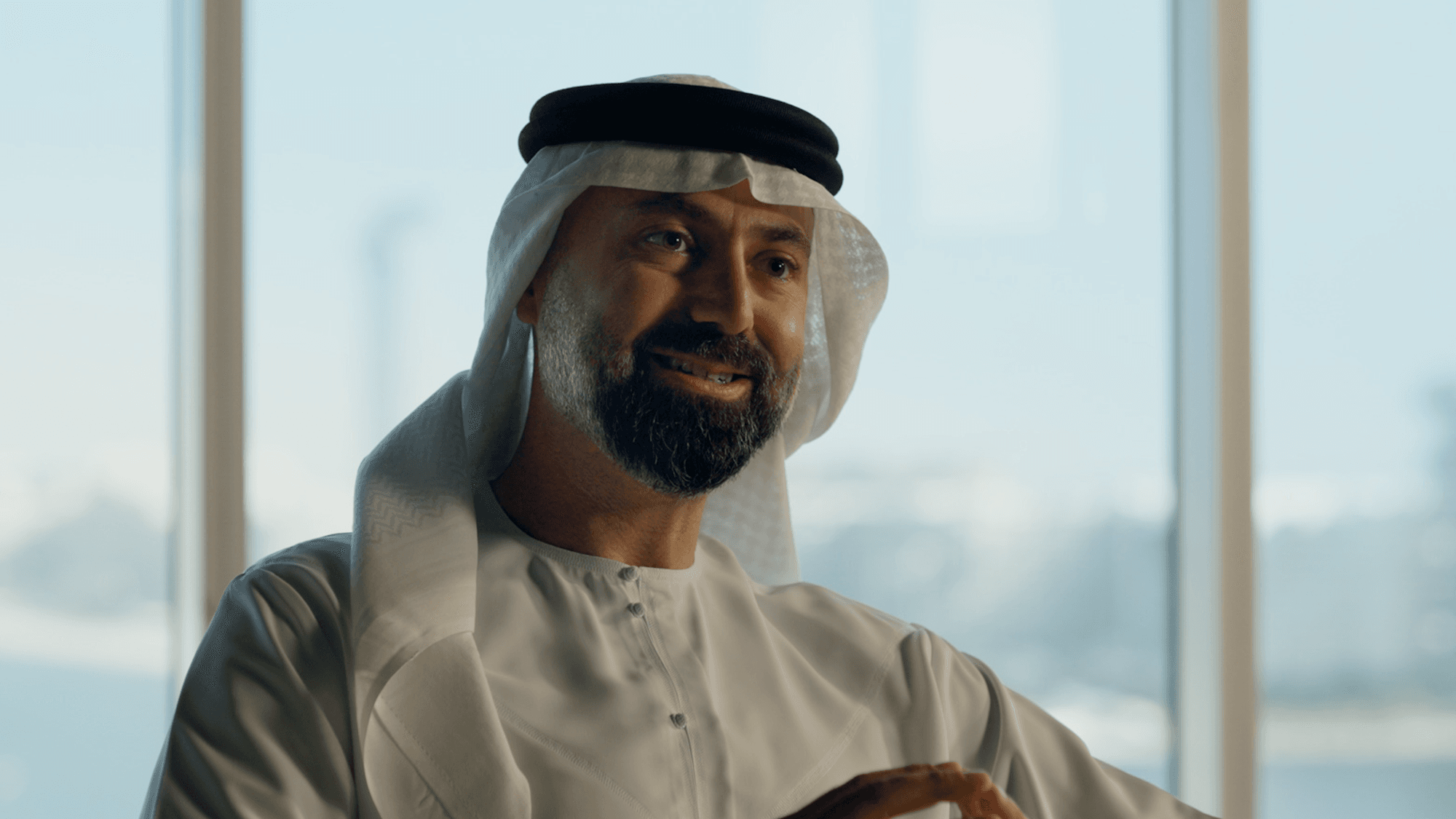
When Kurtz approached Mahmoud Adi, a founder of venture capital firm Shorooq Partners, he captured his attention immediately – Adi, after all, knew that importing food was a major problem in the UAE.
"It's something I lived through as a kid. Sometimes we would get amazing quality goods for cheap, and sometimes we would get bad quality for high prices," he says.
In 2017, Adi's venture capital firm Shorooq Partners made Pure Harvest one of its first investments, and Adi came onboard as co-founder. Now, Pure Harvest could be on track to becoming a $1bn unicorn, and agritech is booming globally.
From 2021 to 2022, agritech investment in the Middle East and North Africa grew from $97m to $250m. Adi says other UAE-based entrepreneurs are growing mushrooms, installing vertical farms and developing aquaculture farms. They're also getting the support they need to flourish.
Government-backed initiatives and accelerators – from Abu Dhabi tech ecosystem Hub71 to the Dubai Future Foundation and Sheraa in Sharjah – have eased regulations and given startups support, infrastructure and space to build communities. Private firms like Shorooq have helped them blossom.
"There are opportunities to create local champions, and if you create local champions, they attract international investors who want [to be part] of this fast-growing economy," he adds.
This ecosystem is attracting the best and brightest from across the world.